
As the leaves begin to change color and the crisp autumn air settles over Montclair, it's the perfect time to ensure your home's security is ready for the seasonal transition. Fall brings unique challenges for homeowners in our area – from increased moisture that can affect lock mechanisms to the early darkness that makes home security even more critical. Whether you live in one of Montclair's historic Victorian homes or a modern residence near Watchung Plaza, this comprehensive fall locksmith checklist will help you identify potential security vulnerabilities and take proactive steps to protect your property before winter arrives.
Why Fall Is the Perfect Time for a Home Security Review
Fall represents more than just a beautiful change of seasons in Montclair – it's a critical period for home maintenance and security assessment. The transition from summer to winter can expose weaknesses in your home's security infrastructure that might have developed over the warmer months. Temperature fluctuations common in New Jersey during autumn can cause metal components in locks to expand and contract, potentially leading to misalignment or malfunction.
Additionally, the earlier sunsets mean your home is in darkness for more hours each day, making it essential that all entry points are properly secured. Statistics show that burglaries increase during the fall and winter months, partly due to the extended darkness and partly because homeowners tend to be less vigilant about security during the holiday season. By addressing security concerns now, you're taking a proactive approach that can prevent emergency situations later.
The fall season also coincides with many homeowners spending more time indoors and noticing small issues they may have overlooked during the busy summer months. That sticky lock or door that doesn't quite close properly becomes more noticeable – and more urgent – as you prepare to seal your home against the cold.
Inspect All Exterior Door Locks
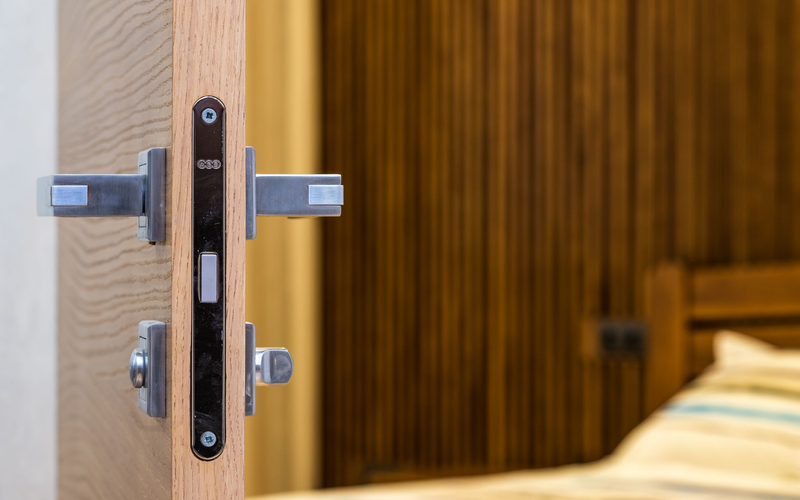
Your exterior doors are your home's first line of defense, and their locks deserve careful attention as part of your fall maintenance routine. Start by testing each exterior door lock, including front, back, side, and garage entry doors. Turn the key in each lock multiple times and pay attention to any resistance, grinding, or difficulty in operation. Locks that feel sticky or require extra force may have internal components that are wearing out or accumulating debris.
Check the deadbolts on all exterior doors to ensure they extend fully into the door frame. A deadbolt should extend at least one inch into the strike plate when locked. If it doesn't, the door frame may have shifted, or the lock may need adjustment. This is particularly common in older Montclair homes where settling can cause minor but significant alignment issues.
Examine the condition of your lock cylinders for signs of wear, corrosion, or tampering. Any scratches around the keyhole or loose components should be addressed immediately. If your locks are more than 10 years old, consider upgrading to newer, more secure models. Modern locks offer enhanced security features and better resistance to common break-in methods like lock bumping and picking.
Don't forget about your storm doors. Many homeowners neglect these secondary locks, but they provide an additional security layer. Ensure storm door locks function smoothly and align properly with the strike plates. If you have a screen door that you'll be replacing with a glass storm door for winter, verify that both have working locks.
Test and Lubricate Lock Mechanisms
Proper lubrication is essential for lock longevity and smooth operation, especially before the cold New Jersey winter sets in. Temperature drops can cause any existing moisture in lock mechanisms to freeze, potentially damaging internal components or leaving you locked out during an emergency.
Use a graphite-based lubricant or a silicone spray specifically designed for locks – never use WD-40 or oil-based products, as these can attract dirt and gum up the mechanism over time. Insert the lubricant into the keyway and operate the lock several times to distribute it evenly throughout the internal components. Do this for every lock in your home, including deadbolts, doorknobs, and padlocks on sheds or gates.
For locks that continue to stick even after lubrication, the issue may be more serious. Internal pins might be worn, or the lock cylinder could be damaged. These situations require professional assessment to determine whether cleaning, repair, or replacement is the best solution.
Pay special attention to exterior locks that are exposed to the elements. Moisture from fall rains can penetrate lock mechanisms, and the freeze-thaw cycles of late fall can accelerate wear. If any exterior lock shows signs of rust or corrosion, it should be replaced before winter to prevent failure during the coldest months.
Evaluate Your Door Hardware and Frames
Even the strongest lock is only as secure as the door and frame it's installed in. Fall is an excellent time to assess the overall condition of your door hardware and the structural integrity of door frames throughout your home.
Examine all hinges on exterior doors. Loose hinges can allow a door to be removed from its frame even when locked, completely bypassing your security measures. Tighten any loose screws and replace any hinges showing signs of rust or damage. Consider upgrading to security hinges with non-removable pins on outward-opening doors.
Inspect strike plates – the metal plates on door frames where locks engage. Many standard strike plates are held in place with short screws that only penetrate the door frame, not the wall stud behind it. Upgrading to security strike plates with 3-inch screws that anchor into the stud significantly increases resistance to forced entry. This simple, inexpensive upgrade can be the difference between a door that holds firm and one that gives way under pressure.
Check for gaps between doors and frames. Even a small gap can make it easier for intruders to insert tools and manipulate locks from the outside. Weather stripping serves double duty here – it improves energy efficiency while also reducing security vulnerabilities. If you can see daylight around a closed door, you need better weather stripping or possible door realignment.
Wooden door frames, particularly in older Montclair homes, can develop rot or weakness over time. Press on the frame around the strike plate area to test for soft spots. Any compromise in the frame's integrity means your lock isn't providing the security you think it is, regardless of its quality.
Check Window Locks and Security
Windows are often overlooked in home security assessments, yet they represent a significant vulnerability. As you close and seal windows for the fall season, take time to ensure all window locks are functioning correctly.
Test every window lock in your home, paying particular attention to ground-floor and easily accessible second-story windows (such as those near trees, porches, or garage roofs). Many standard window locks are inadequate or have become worn over time. If a lock feels loose or doesn't engage firmly, it needs repair or replacement.
Consider adding secondary security measures to vulnerable windows. Pin locks, window bars, or security film can provide additional protection. For sliding windows, a simple wooden dowel or security bar in the track prevents the window from being opened even if the lock is compromised.
Basement windows deserve special attention. These are frequent entry points for burglars because they're often obscured from view and may have older, weaker locks. Ensure all basement windows have functioning locks, and consider adding window well covers for additional security and to prevent fall leaf accumulation.
Don't forget about garage windows. Many homeowners secure the main garage door but neglect windows that provide a view of garage contents and can be entry points. Frosted film on garage windows prevents outsiders from seeing what you store inside while still allowing light transmission.
Assess Smart Lock and Electronic Security Systems
If your Montclair home is equipped with smart locks or electronic security systems, fall is the ideal time to ensure these technologies are functioning optimally and have the latest security updates.
For smart locks, verify that batteries are fresh and replace them if they're more than six months old. Many smart locks provide low-battery warnings, but it's better to be proactive. Keep spare batteries on hand so you're never caught without access. Check that your smart lock's firmware is up to date, as manufacturers regularly release updates that patch security vulnerabilities and improve performance.
Test remote access features to ensure you can lock and unlock doors from your smartphone when needed. Verify that access codes for family members, pet sitters, or service providers are current and delete any codes that are no longer needed. Review access logs to see when doors were opened and by whom – this feature can alert you to unusual patterns.
For homes with integrated security systems, test all sensors and ensure they're communicating properly with the main control panel. Replace batteries in wireless sensors and verify that door and window sensors trigger appropriate alerts. As you winterize your home and windows remain closed for longer periods, properly functioning sensors become even more critical.
Consider the placement of any outdoor security cameras. Trees that were full of leaves in summer may now be bare, potentially improving sight lines but also exposing cameras to harsher weather. Ensure all outdoor cameras are weatherproof and positioned to monitor key entry points.
Rekey Locks or Update Access Control
Fall is an excellent opportunity to reassess who has access to your home. Over the course of a year, you may have given keys to contractors, housesitters, pet care providers, or others who no longer need access.
If you've recently moved into a home in Montclair or it's been several years since your locks were changed, rekeying should be a priority. You can never be certain how many copies of existing keys are in circulation. Rekeying involves changing the internal pins of the lock cylinder so that old keys no longer work, while new keys are provided to you. This is typically more cost-effective than replacing entire locks, though replacement may be warranted if locks are old or damaged.
Consider whether certain family members need their own keys. Teenagers who now drive may need house keys, while younger children who've matured might be ready for the responsibility. Conversely, if you've been giving keys to children who tend to lose them, consider installing a smart lock with personalized codes instead.
For homes with domestic help, contractors performing seasonal work, or regular service providers, consider implementing a temporary access solution. Some smart locks allow you to create time-limited access codes that automatically expire, or you can work with a locksmith to create a key control system where keys must be signed out and returned.
Secure Outdoor Structures and Gates
Your home's security perimeter extends beyond the main structure. Sheds, garages, gates, and other outdoor buildings require attention as part of your fall security assessment.
Inspect locks on detached garages and sheds. These structures often contain valuable equipment like lawn mowers, snow blowers, bikes, and tools that are attractive targets for theft. Many outdoor structures have inadequate locks that can be easily defeated. Upgrade to heavy-duty padlocks or consider installing deadbolts on shed doors. For particularly valuable items, consider adding motion-sensor lighting around these structures.
Garden gates and fence locks should be checked for proper operation. A gate that doesn't latch securely creates easy access to your backyard and potentially to rear entry points of your home that are hidden from street view. Ensure gate locks can't be easily reached over or through the fence, and consider adding spring-loaded hinges that automatically close and latch gates.
For homes with pool enclosures, fall is the time to verify that all locks are working before you close the pool for winter. Pool areas can provide cover for would-be intruders, and unsecured pool enclosures are also a liability risk.
Check any storage boxes or deck boxes where you keep outdoor equipment or seasonal items. These often have flimsy locks that should be upgraded before storing valuable items for the winter.
Prepare for Winter-Specific Security Challenges
Fall preparation should anticipate the unique security challenges that winter brings to the Montclair area. Being proactive now can prevent problems during the coldest, darkest months ahead.
Ensure you have de-icing products that are safe to use around locks and hinges. Rock salt can be corrosive to metal hardware, so look for safer alternatives for areas near doors. If locks do freeze during winter, never force them or use excessive heat like torches. Instead, use lock de-icer spray or gently warm the key with a lighter before insertion.
Consider installing or checking exterior lighting around all entry points. Motion-sensor lights are particularly effective as they startle potential intruders and alert you to movement around your home. With darkness arriving earlier each day, proper lighting is a crucial security feature. Replace any burnt-out bulbs and ensure light sensors are adjusted for shorter days.
Review your emergency exit plan. While we focus heavily on keeping intruders out, it's equally important to ensure you can get out quickly in an emergency. Make certain that all family members know how to operate locks and deadbolts from the inside, even in darkness. This is particularly important if you've recently changed locks or installed new security hardware.
Prepare for potential power outages, which are more common during fall and winter storms in New Jersey. If you have electronic locks or garage door openers, ensure you know how to operate them manually. Keep mechanical keys in accessible locations and make sure all family members know where they are.
Create a Relationship with a Local Locksmith
One of the most valuable steps you can take during your fall security assessment is establishing a relationship with a trusted local locksmith before you need emergency services. When you're locked out in freezing temperatures or dealing with a broken lock, you don't want to be searching for a reliable professional.
A local locksmith familiar with Montclair homes understands the unique characteristics of properties in the area. They know that historic homes may have unusual door configurations, that many properties have multiple outbuildings requiring security, and that security needs vary significantly between downtown areas and more residential neighborhoods.
Professional locksmiths can provide services beyond emergency lockouts. They offer security consultations where they assess your property and recommend improvements based on your specific situation and budget. They can advise on the latest security technologies and whether they're appropriate for your home. They can also provide regular maintenance services that keep locks functioning smoothly and extend their lifespan.
When choosing a locksmith, look for licensed, insured professionals with established local presence. Check reviews from other Montclair residents and verify that they offer 24/7 emergency services. Ask about response times and service areas to ensure they can reach you quickly when needed.
Additional Fall Security Tips for Montclair Homeowners
Beyond locks and hardware, several additional security considerations deserve attention as fall arrives in Montclair.
Maintain your landscaping with security in mind. Trim trees and shrubs away from windows and doors so they don't provide hiding spots for intruders or obscure the view from inside your home. As leaves fall, keep them raked away from the house – piles of leaves against doors and windows can conceal attempted break-ins and retain moisture that damages locks and hardware.
Document your home's security setup by photographing locks, taking note of key types, and recording model numbers of electronic security devices. Store this information securely offsite or in cloud storage. This documentation proves invaluable if you need replacements or repairs, especially in emergency situations.
Review your homeowner's insurance policy to ensure you have adequate coverage and understand what security measures might qualify you for discounts. Many insurers offer reduced premiums for homes with deadbolts, security systems, or other protective measures.
Establish security routines as days grow shorter. Create a schedule for locking doors and windows, setting alarms, and checking security devices. Consistency is key to effective home security, and routines ensure nothing is overlooked.
Consider joining or forming a neighborhood watch program if one doesn't already exist in your Montclair community. Neighbors looking out for each other creates a security network that benefits everyone. Share contact information with trusted neighbors and agree to watch each other's homes, collect packages, and report suspicious activity.
Professional Security Assessment Benefits
While this checklist enables you to address many security concerns independently, there's significant value in scheduling a professional security assessment for your Montclair home this fall.
Professional locksmiths bring expertise that comes from seeing thousands of homes and understanding vulnerability patterns you might miss. They can identify weak points in your security setup that aren't obvious to homeowners. They understand how burglars think and operate, knowledge gained from years of helping people recover from break-ins and security failures.
A professional assessment includes checking all locks, evaluating door and window security, reviewing access control systems, and providing specific recommendations tailored to your property. Locksmiths can identify whether your current locks meet modern security standards or if they use outdated technology that's easily defeated by current break-in techniques.
The cost of a professional security assessment is minimal compared to the value of items in your home and the peace of mind that comes from knowing your property is properly secured. Many locksmiths offer free or low-cost consultations, and the recommendations they provide can be implemented gradually based on your budget and priorities.